Japanese Traditional Tattoos: Bold Designs That Never Go Out of Style
Japanese traditional tattoos have been captivating people for generations. They blend powerful symbolism with disciplined composition and a distinctive visual style. If you're exploring timeless body art, understanding the history and structure behind this style will help you choose a design that's meaningful and lasting. For those looking for classic artistry with modern precision, options like traditional tattoo work and neo-traditional tattoo pieces offer great references for bold linework, color saturation, and overall flow.
At Rough Sands Tattoo, we believe the appeal of Japanese traditional tattoos goes beyond their beauty. These designs carry a deep visual language rooted in folklore, nature, and craftsmanship, making them one of the most respected tattoo traditions worldwide. In this guide, you'll learn what defines the style, how motifs are chosen, where they work best on the body, and what to consider before getting a large-scale piece in Los Angeles or anywhere else. For a broader look at placement and style options, check out our guide to the best tattoo styles.
What Makes Japanese Traditional Tattoos So Enduring
A Style Built on Composition, Not Just Imagery
Japanese traditional tattoos are instantly recognizable because they're designed as complete visual systems, not isolated images. The placement of elements, use of negative space, and integration of background flow all work together to create a tattoo that feels balanced and alive. Unlike designs that rely on a single central figure, Japanese tattoos often extend across limbs, backs, and torsos in a way that feels cinematic and intentional.
That compositional discipline is a big reason the style has endured. A well-planned Japanese tattoo doesn't just look good on day one; it continues to make sense as the body changes over time. The structure supports aging better than many trend-driven designs, especially when the artist understands how to build motion through clouds, water, wind bars, and floral fillers.
Symbolism That Adds Depth to the Artwork
Every major Japanese tattoo motif carries meaning, and that meaning often influences the overall feel of the piece. Dragons can represent wisdom and protection, koi fish often symbolize perseverance, and peonies may suggest prosperity or honor. This symbolic layer gives the tattoo a personal narrative, which is why many people feel emotionally connected to the style long after the initial excitement of getting inked fades.
For many, the meaning is as important as the appearance. Choosing a Japanese traditional tattoo often involves thinking about identity, growth, resilience, or memory. When that intention is paired with an experienced artist, the result becomes more than decoration—it becomes a lifelong piece of visual storytelling.
Influence from History and Craftsmanship
The tradition behind Japanese tattooing is closely tied to centuries of artistic development, including woodblock prints and hand-rendered imagery that shaped the look of modern body art. Over time, those influences created a style defined by strong outlines, rich color, and dramatic contrast. That balance of precision and expression is part of what makes the style feel both historical and contemporary.
According to the Encyclopaedia Britannica entry on tattooing, tattoo traditions have long reflected cultural identity and artistic practice across different societies. Japanese tattooing stands out because it maintained a distinctive visual grammar while continuing to evolve. That combination of consistency and adaptability is rare, and it helps explain why the style remains relevant for new generations.
Common Motifs and What They Mean
Dragons, Koi, and Tigers
Dragons are among the most iconic Japanese tattoo subjects because they symbolize strength, knowledge, and protective energy. In tattoo form, they are often shown moving across the body in a serpentine rhythm that enhances the wearer’s shape. Koi fish, by contrast, often represent determination and transformation, especially when depicted swimming upstream through water and current.
Tigers are also a powerful choice, associated with courage and defense against harm. The specific meaning can shift depending on surrounding elements and the direction of movement, which is why the design process matters so much. A skilled artist will think carefully about how each animal interacts with the rest of the composition so the tattoo feels purposeful rather than decorative.
Flowers, Waves, and Clouds
Floral imagery is essential in Japanese traditional tattooing. Cherry blossoms may suggest the fleeting nature of life, while peonies can represent wealth, honor, or beauty. These softer motifs help balance stronger figures and create contrast between power and delicacy, which is one reason large-scale Japanese tattoos often feel so dynamic.
Background elements like waves, wind, smoke, and clouds are equally important. They are not filler in the casual sense; they are structural components that help connect the entire tattoo. Without them, the composition can feel unfinished. With them, the artwork gains movement, rhythm, and a sense of atmosphere that is central to the style.
Choosing Symbols That Fit Your Story
The best Japanese tattoo is not just the most visually impressive one—it is the one that reflects your personal story in a way that feels authentic. Some choose motifs based on qualities they want to embody, while others prefer symbols linked to family, milestones, or life lessons. This process is especially important for large tattoos because the imagery will live on your body for years, potentially decades.
If you are considering a custom piece, it helps to talk through your goals early in the consultation. Artists working in styles like realism tattoo and fine line tattoo can offer useful comparison points, even if your final choice is a traditional Japanese piece. Understanding how different styles communicate mood and detail can make your decision much stronger.
Design Principles That Separate Great Japanese Tattoos from Average Ones
Flow Across the Body
Flow is one of the defining principles of Japanese tattooing. The design should appear to move with the body, not fight against it. That means the artist must consider shoulder curvature, chest expansion, arm rotation, and how the tattoo will look in both relaxed and active positions.
When flow is done well, the tattoo feels like it belongs to the wearer naturally. This is one of the reasons many prefer sleeves, back pieces, and chest panels for Japanese work. These larger canvases allow the artist to create movement and visual narrative without compressing the design into a space that is too small.
Bold Outlines and Strong Contrast
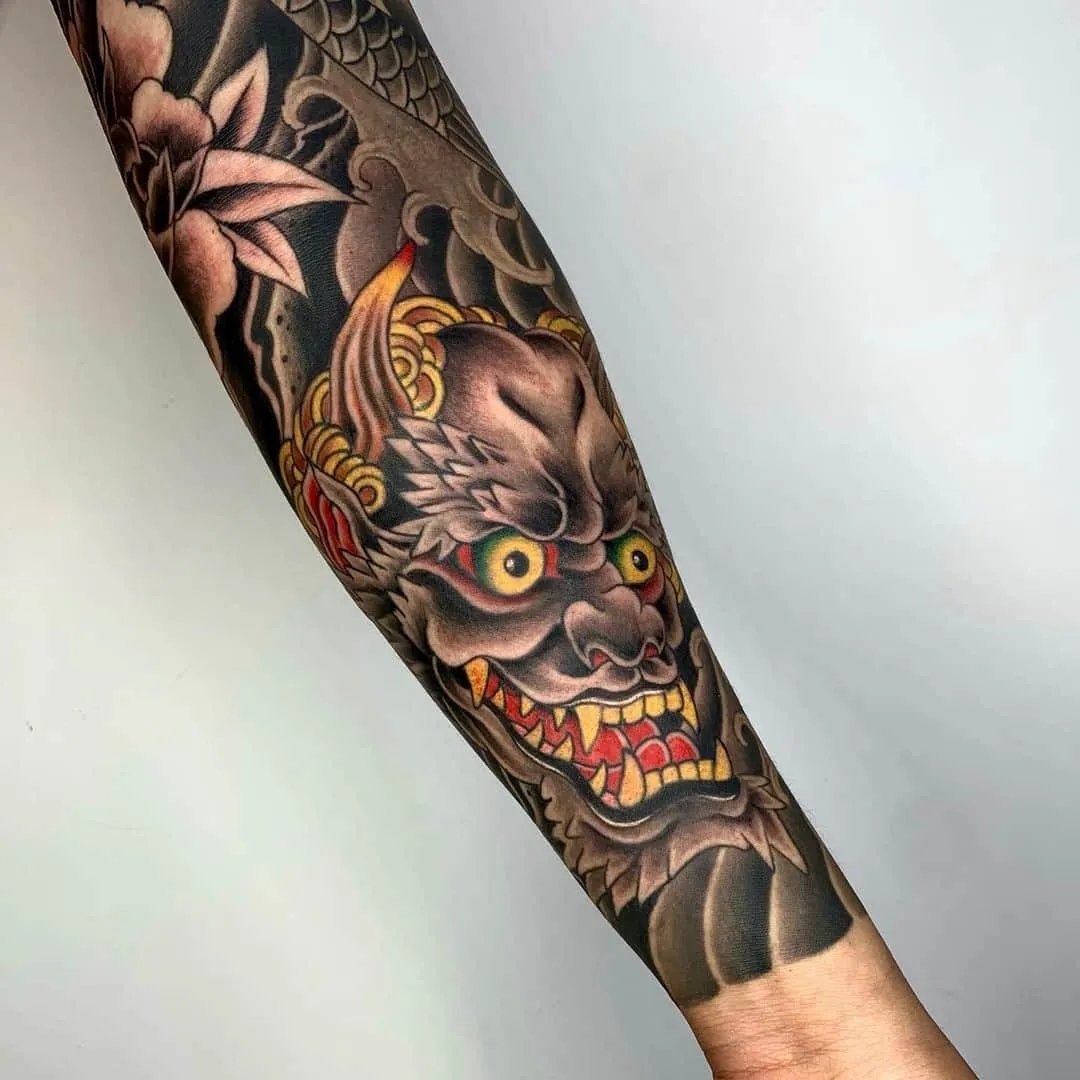
Japanese traditional tattoos typically rely on decisive outlines and deep, confident shading. Those bold decisions are not arbitrary; they give the tattoo longevity, clarity, and visual strength. Even as the skin ages, the forms remain readable because the contrast is built into the design from the start.
This is also why the style translates well across different skin tones and body types when handled by an experienced artist. Strong contrast helps the tattoo remain legible, while thoughtful color placement prevents the design from looking flat. When these elements work together, the final piece has both impact and endurance.
Balance Between Detail and Restraint
Another reason Japanese tattoos endure is that they know when to stop. A great artist does not overload the image with unnecessary detail. Instead, the design leaves room for the eye to rest, which creates visual hierarchy and prevents the tattoo from becoming chaotic.
That restraint is often overlooked by people who are new to the style. The simplicity of certain shapes and the breathing room around them are what make the more complex details stand out. In many cases, the quiet spaces are just as important as the heavily inked areas.
How Japanese Tattoo Styles Compare to Other Popular Approaches
Traditional Versus Modern Minimalist Work
Japanese traditional tattoos are not the same as minimalist tattoos, and that difference matters if you are deciding what kind of statement you want to make. Minimalist designs may emphasize a small, subtle mark, while Japanese tattoos are generally built to command attention and tell a larger story. If you are drawn to delicate aesthetics, our delicate lines tattoo approach can offer a different visual direction while still prioritizing clean execution.
That said, many appreciate both ends of the spectrum. They may choose Japanese imagery for a major back piece while selecting a smaller script or fine-line tattoo elsewhere. The key is understanding that each style has its own strengths, and the right one depends on your goals, placement, and personality.
Traditional Versus Realism
Realism tattoos aim to reproduce lifelike details, often with photographic precision. Japanese traditional tattoos, on the other hand, are more symbolic and stylized. The goal is not to replicate reality exactly but to create a powerful visual story using established artistic language.
This distinction can help you decide whether you want a tattoo that feels literal or one that feels mythic. Both approaches can be excellent, but they create different emotional effects. Realism often feels intimate and specific, while Japanese traditional work feels broader, more iconic, and more connected to visual tradition.
Why Many Collectors Combine Styles
Some build a body art collection that includes multiple styles, and that can work well when planned carefully. A Japanese back piece may pair with a script tattoo on the forearm or a smaller fine-line design on the wrist, as long as each piece is treated with intention. The best collections feel curated rather than random.
For those who want to compare how different styles might live together, consults are a smart first step. You can explore our script tattoo service for lettering ideas or review how classic structure works through our traditional tattoo options. That kind of comparison often makes the final vision much clearer.
Planning a Japanese Traditional Tattoo the Right Way
Start with the Body Area, Not the Image
One of the biggest mistakes people make is choosing the motif before they consider placement. In Japanese tattooing, the body area should guide the design. A dragon might be ideal for a sleeve or back piece, while a koi composition could work beautifully across the thigh, chest, or calf depending on the angle and movement.
Starting with placement helps the tattoo feel intentional from the beginning. It also gives the artist the flexibility to build a design that fits your anatomy instead of forcing the anatomy to accommodate the design. That difference matters enormously once the tattoo is completed.
Think in Terms of Long-Term Wear
Tattoos are not just for the day they are completed. They must continue to look strong years later, which is why consultation should include conversations about aging, sun exposure, body changes, and maintenance. Japanese traditional tattoos are especially well-suited to long-term wear because their structure naturally supports clarity over time.
Authoritative guidance from the CDC on tattoo safety emphasizes the importance of hygienic practices and proper aftercare for reducing complications. This is relevant no matter what style you choose, but it is particularly important for large tattoos that require multiple sessions. Planning ahead can protect both the quality of your art and the health of your skin.
Choose an Artist with Style Fluency
Not every tattoo artist is equally experienced with Japanese traditional composition. Because the style depends so heavily on flow, symbolism, and visual balance, you want someone who understands the tradition rather than someone who simply copies references. Ask to see healed examples, not just fresh photos, because healed work gives a much better picture of line integrity and color performance.
A strong consultation should also cover scale, session count, body placement, and how the design will evolve from outline to finish. If you are in the area, Rough Sands Tattoo in Los Angeles can help you think through these choices in a way that respects both your vision and the style itself. The better the planning, the stronger the final result.
Aftercare, Healing, and Long-Term Maintenance
Why Aftercare Matters for Bold Color Tattoos
Japanese traditional tattoos often use saturated colors and strong dark areas, which means proper aftercare is essential for preserving the finish. Fresh tattoos are vulnerable to irritation, scabbing, and fading if they are not treated carefully. The healing phase is not just about comfort; it directly affects the longevity and clarity of the artwork.
For step-by-step care, follow your artist’s instructions and review our aftercare instructions. General best practices usually include keeping the tattoo clean, avoiding soaking, limiting sun exposure, and resisting the urge to pick at healing skin. A little discipline during the first few weeks can protect years of visual quality.
What to Expect During the Healing Process
Healing timelines vary, but most people should expect redness, peeling, dryness, and temporary dullness before the tattoo settles. This is normal. What matters is watching for signs that something is off, such as excessive swelling, spreading redness, or unusual pain. If anything seems concerning, contact a medical professional rather than trying to self-diagnose.
During this stage, hydration and rest can support recovery. It also helps to keep clothing loose and reduce friction over the tattooed area. The goal is to let the skin recover without disruption so that the pigment can settle evenly and the linework stays crisp.
Keeping the Tattoo Vibrant Over Time
Even after healing, maintenance matters. Sun protection is one of the simplest and most effective ways to preserve a tattoo’s color and contrast. Over time, ultraviolet exposure can break down pigment and soften edges, especially on pieces that feature bright reds, greens, or yellows.
Regular moisturizing and thoughtful skincare also help. While no tattoo stays exactly as it looked on day one, high-quality work can remain bold for many years when cared for properly. If you want your Japanese tattoo to retain its strength, think of maintenance as part of the artistry rather than an afterthought.
Popular Placement Choices and Why They Work
Back Pieces and Full Panels
The back is one of the most respected placements for Japanese traditional tattoos because it offers a large canvas with strong symmetry. It allows artists to build dramatic focal points, layered backgrounds, and balanced movement without feeling cramped. Many view a back piece as a milestone tattoo because of the planning and commitment involved.
Full panels also allow the artist to create a sense of narrative progression. A dragon can rise from one shoulder while clouds and water carry the eye downward, or a koi can move across the back with floral accents completing the scene. The result is immersive and visually powerful.
Sleeves and Half Sleeves
Sleeves are another popular choice because they reveal the style’s flow in motion. The arm naturally lends itself to curves and movement, which makes it ideal for winding motifs like dragons, waves, and tigers. A sleeve also gives the artist the chance to connect multiple ideas into one coherent composition.
Half sleeves can be equally effective when the design is planned carefully. They give enough room for structure without requiring the full commitment of a complete sleeve. For many, they are the perfect balance between visual impact and manageable session length.
Legs, Thighs, and Calves
Leg placement can be a smart option for people who want strong imagery but prefer a tattoo that can be covered more easily. Thighs and calves provide generous space for movement and shading, which works especially well for animals, floral arrangements, and layered background effects. These areas also age well because they tend to have broad surfaces with less distortion than some smaller body zones.
The right placement should match both your aesthetic and your lifestyle. If your tattoo needs to be office-friendly or you want the option to reveal it selectively, the legs can offer an excellent balance of visibility and discretion.
Frequently Asked Questions About Japanese Traditional Tattoos
Are Japanese Traditional Tattoos Only for Large Designs?
Large-scale work is the most common format, but smaller Japanese-inspired pieces can still be effective when the composition is adapted carefully. The important thing is not size alone but whether the design has enough room to breathe. If the piece is too compressed, the flow and symbolism can be lost.
That is why consultations matter. A skilled artist can help you decide whether your idea is better suited for a small emblem, a medium panel, or a full body composition. The final answer depends on detail, placement, and how much storytelling you want the tattoo to carry.
Do Japanese Tattoos Have to Follow Strict Rules?
Tradition provides a strong framework, but not every tattoo has to be rigidly historical. Many modern clients want to honor the style while personalizing the imagery, color palette, or layout. That flexibility is one reason the style continues to evolve without losing its identity.
The best approach is respectful adaptation. Learn the meaning of the symbols you want, choose an artist who understands the tradition, and make sure the final design is coherent rather than random. That way, the tattoo stays rooted in the style while still reflecting your individuality.
How Do I Know if the Style Is Right for Me?
If you are drawn to bold, symbolic, and highly structured tattoo art, Japanese traditional work may be a strong fit. It is especially appealing to people who want something that feels timeless rather than trendy. The style rewards patience, planning, and a willingness to think big.
One of the best ways to decide is by reviewing references and talking through your goals with an experienced artist. Bring ideas, but also bring openness. A good consultation can reveal whether your vision is best served by Japanese traditional imagery or by another style entirely.
Final Thoughts: Why Japanese Traditional Tattoos Still Stand Out
Japanese traditional tattoos have never been popular because they are fashionable for a moment. They endure because they are built on strong design principles, meaningful imagery, and a visual language that feels both ancient and alive. That combination gives them a rare quality in the tattoo world: they look bold now, and they still make sense years later.
If you are considering your next tattoo, this style offers a powerful way to wear art with purpose. From dragons and koi to peonies and waves, every element can be customized to reflect your story while preserving the structure that makes the tradition so respected. For clients ready to begin the process, the next step is simple: book a consultation, bring your ideas, and let an experienced artist help turn them into a timeless piece you will be proud to wear.
To explore custom tattoo work in a thoughtful, consultation-first environment, reach out to Rough Sands Tattoo and start planning a design that will stand the test of time.